
Your electricity bill can rise even when you haven’t bought any new appliances. The reason is often simple: small energy-wasting habits repeated every day can add up over an entire month.
From appliances left on standby to inefficient cooling, homes can consume electricity unnecessarily without anyone noticing. Here are 5 common ways homes waste electricity—and what you can do about them.
1. Leaving Electronics on Standby
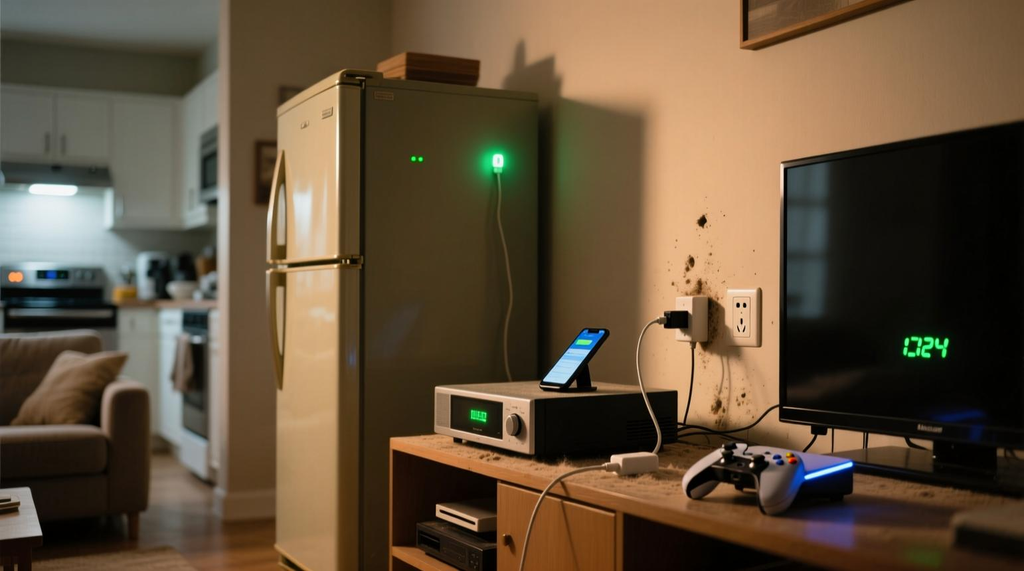
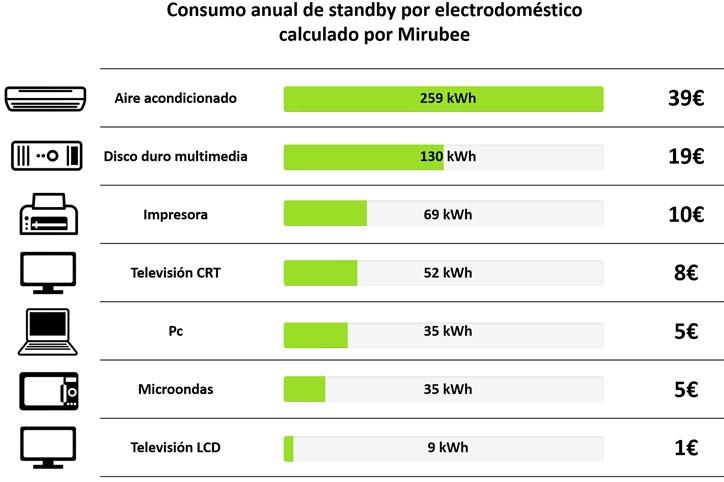
Turning off a television or computer with its remote doesn’t always mean it has stopped using electricity. Many electronics continue drawing a small amount of power while connected to the outlet. This is commonly called standby power or phantom load.
Televisions, set-top boxes, gaming consoles, computers, printers and chargers are common examples.
An Indian household energy-audit guide notes that standby consumption can be significant across multiple devices—for example, it lists annual standby consumption for computers, TVs and set-top boxes. CAG
Simple fix: Switch off devices at the socket when they’re not needed. For entertainment systems, a power strip can make it easier to disconnect several devices at once.
2. Running the Air Conditioner Inefficiently

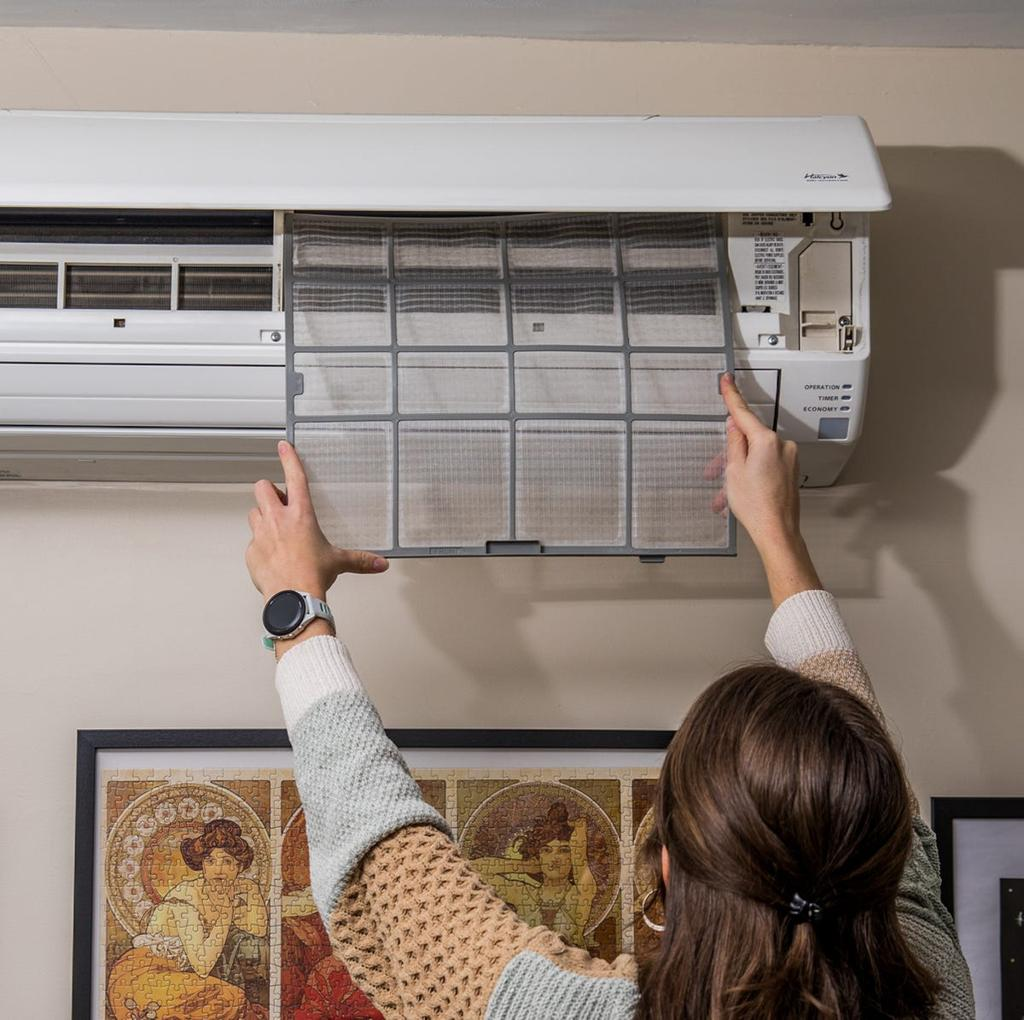
For homes in hot climates, air conditioning can become one of the biggest electricity users. The problem isn’t necessarily using AC—it’s using it inefficiently.
Setting the temperature extremely low, leaving doors or windows open, using an unclean filter, or cooling an empty room can all increase unnecessary consumption.
Indian government energy-conservation guidance recommends keeping AC filters clean, closing doors to cooled rooms and using fans alongside air conditioning where appropriate. HAREDA
Simple fix: Keep doors and windows closed while the AC is running, clean filters regularly and use a reasonable temperature setting rather than trying to make the room extremely cold.
3. Using Old or Inefficient Lighting


Lighting may seem like a small part of your electricity bill, but inefficient bulbs and lights that remain switched on unnecessarily can waste energy.
Older incandescent bulbs are particularly inefficient because much of the electricity they consume becomes heat rather than visible light. Modern LED lighting generally provides the same useful illumination using substantially less electricity. ENERGY STAR, for example, says certified LED bulbs can use up to 90% less energy than standard bulbs. ENERGY STAR
Simple fix: Replace frequently used old bulbs with efficient LEDs and turn lights off when leaving a room. Also make use of natural daylight whenever possible.
4. Washing Small Loads Too Often
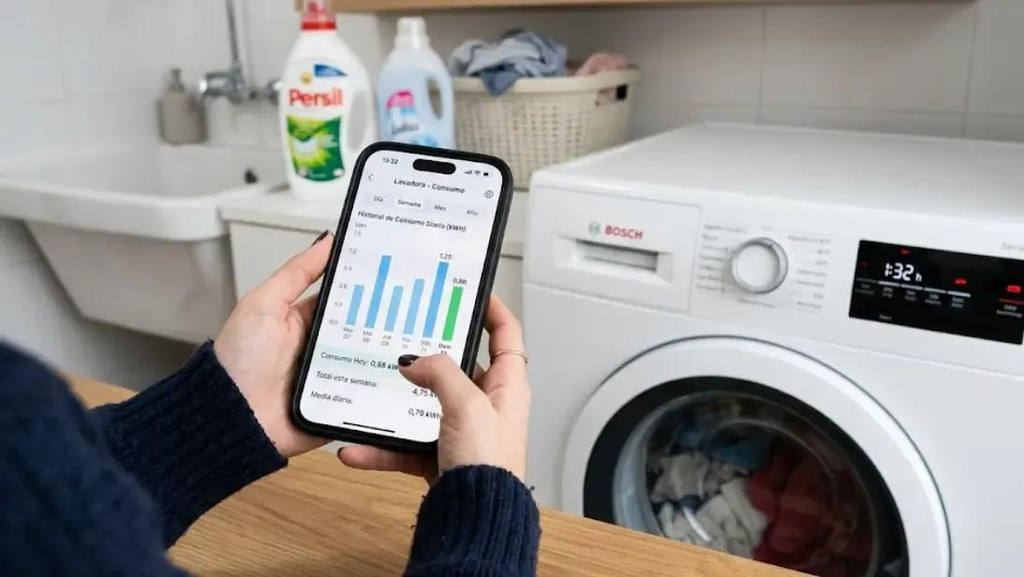

Doing several small washing-machine cycles instead of fewer full loads can increase energy and water consumption.
The machine needs electricity for its motor, controls and, depending on the cycle, heating water. Repeated cycles also mean the appliance is operating more frequently than necessary.
Energy-conservation guidance recommends running washing machines with full loads to improve efficiency. Energy Market Authority
Simple fix: Wait until you have a reasonably full load before running the machine, while still following the manufacturer’s recommended capacity. When suitable, choose cooler washing programs.
5. Making Your Refrigerator Work Harder


Your refrigerator operates around the clock, so its condition and placement matter.
A refrigerator may consume more energy when its door seal is damaged, when air cannot circulate around the appliance, or when it’s exposed to significant external heat. Government guidance also recommends keeping refrigerators away from direct sunlight and other heat sources and allowing sufficient airflow around them. HAREDA
Simple fix: Check the door seal, avoid leaving the door open unnecessarily, keep the refrigerator away from heat sources and maintain adequate ventilation.
The Bottom Line
Electricity waste isn’t always caused by one dramatic mistake. More often, it’s a collection of small habits repeated every day.
Start by identifying the biggest electricity users in your home—especially cooling, heating, refrigeration and frequently used appliances. Then tackle the easiest sources of waste: switch off unused devices, improve cooling habits, use efficient lighting, run full laundry loads and maintain your refrigerator.
A few changes may seem insignificant individually, but consistently reducing unnecessary electricity use can make your home more efficient and help keep your monthly energy consumption under control.