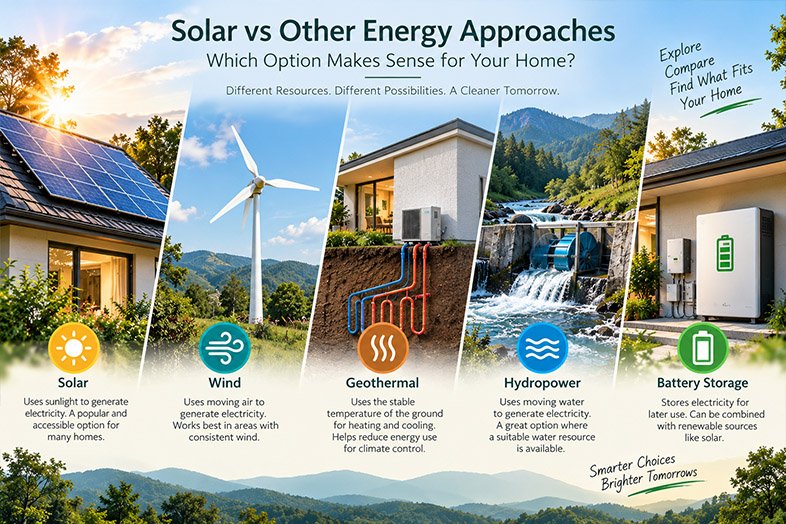
When people think about renewable energy for a home, solar panels are usually the first option that comes to mind. But solar isn’t the only approach available.
Wind power, geothermal systems, hydropower, battery storage, and energy-efficiency improvements can all play a role in creating a more efficient home energy system.
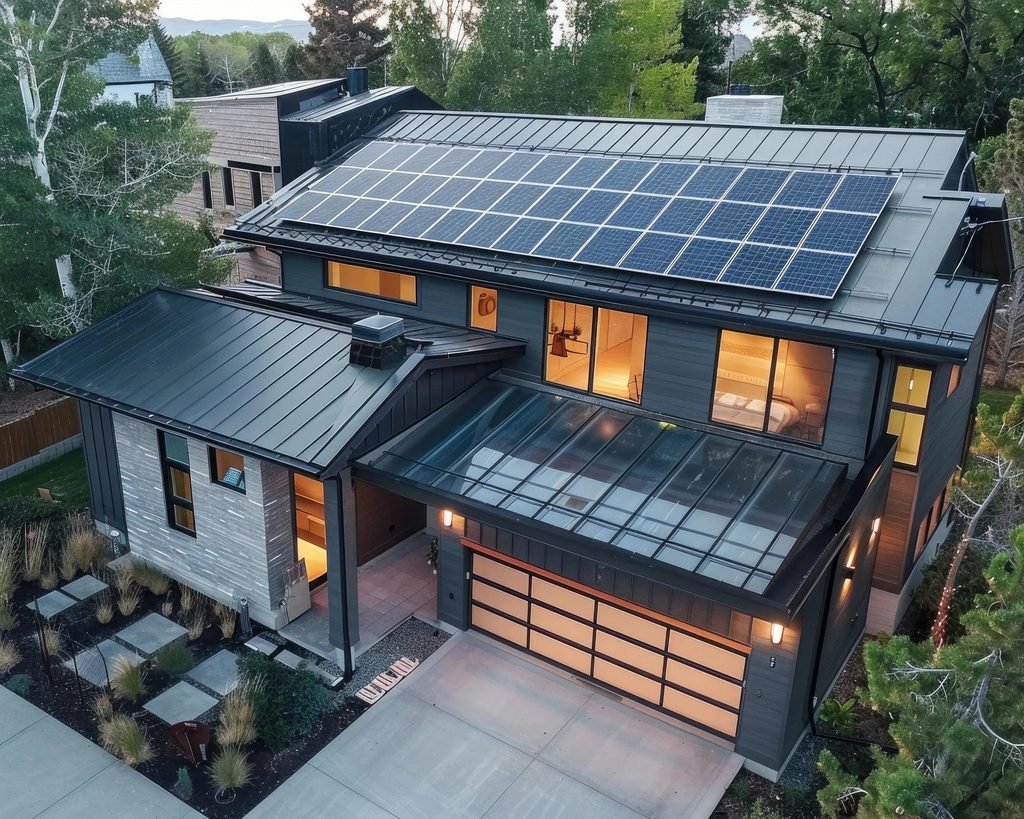
The important question isn’t simply “Which energy source is the best?”
Instead, ask:
Which energy approach makes the most sense for my home, location, and energy needs?
Let’s compare the major options and explore how homeowners can think about energy more strategically.
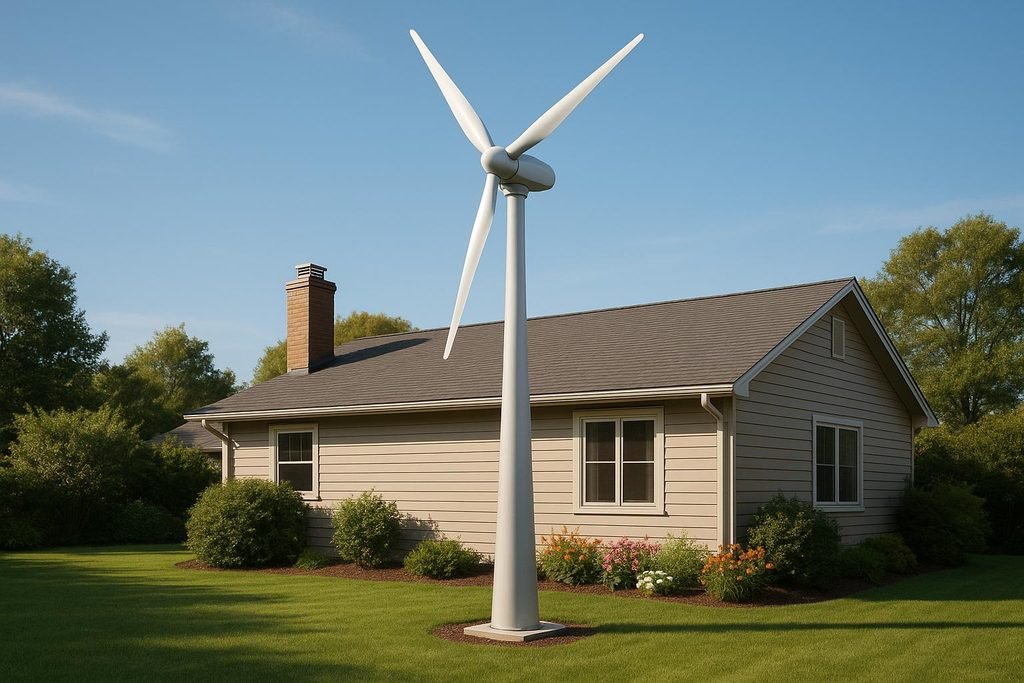
☀️ Solar Energy: The Most Accessible Option
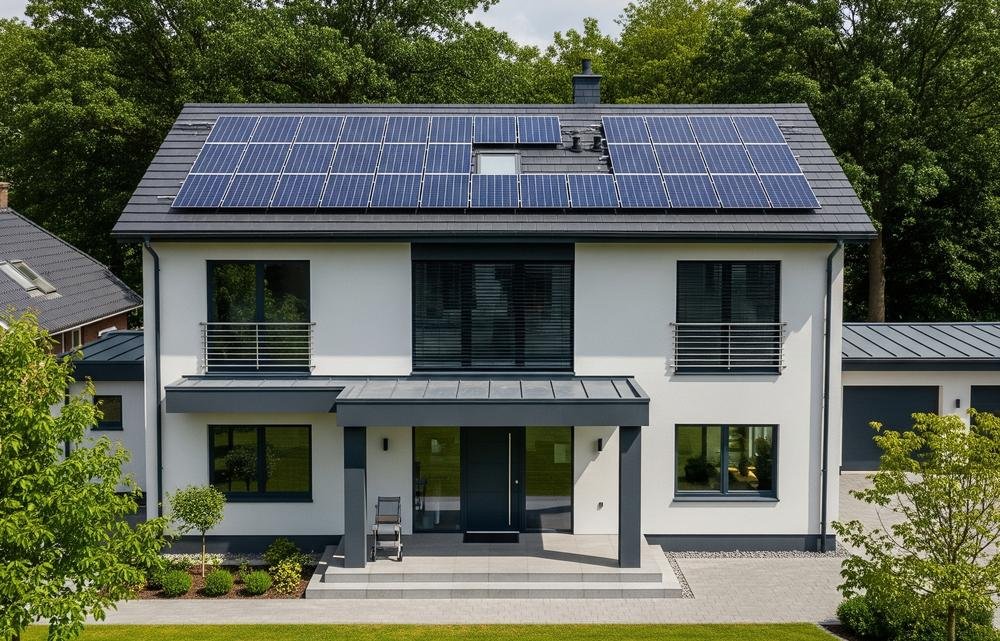
Solar photovoltaic (PV) systems convert sunlight into electricity using solar panels.
One of the biggest advantages of solar is its flexibility. A system can be relatively small and designed to offset part of a home’s electricity consumption, or it can be larger and combined with battery storage.
Solar panels also have no moving parts during normal electricity generation, which makes rooftop solar relatively straightforward compared with technologies that rely on mechanical equipment.
However, solar production changes throughout the day. Electricity generation generally falls after sunset and can also be affected by cloud cover, shading, roof orientation, and other site conditions.
Solar may be worth exploring if:
- Your property receives good sunlight.
- You have suitable roof or ground space.
- Your roof is in reasonable condition.
- You want to generate some of your own electricity.
- You are interested in combining renewable generation with battery storage.
Quick question: Look at your roof from the ground. Is it mostly unobstructed, or do nearby buildings and trees create significant shade?
That simple observation can be a useful starting point.
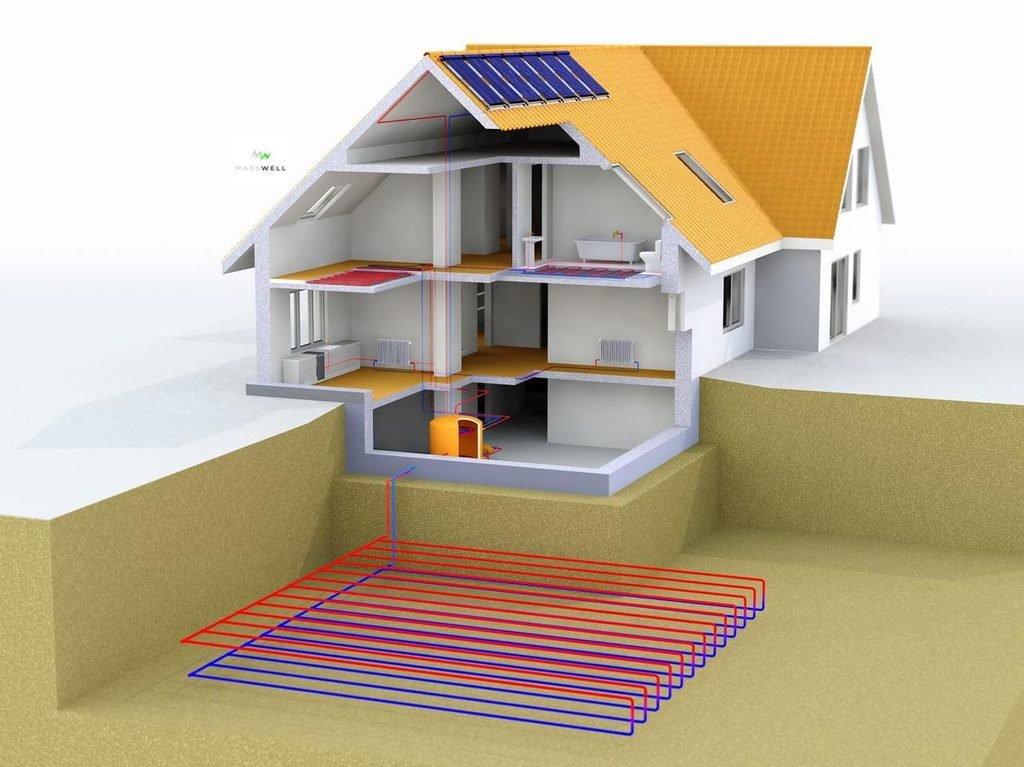
🌬️ Wind Energy: Powerful, But Highly Location Dependent
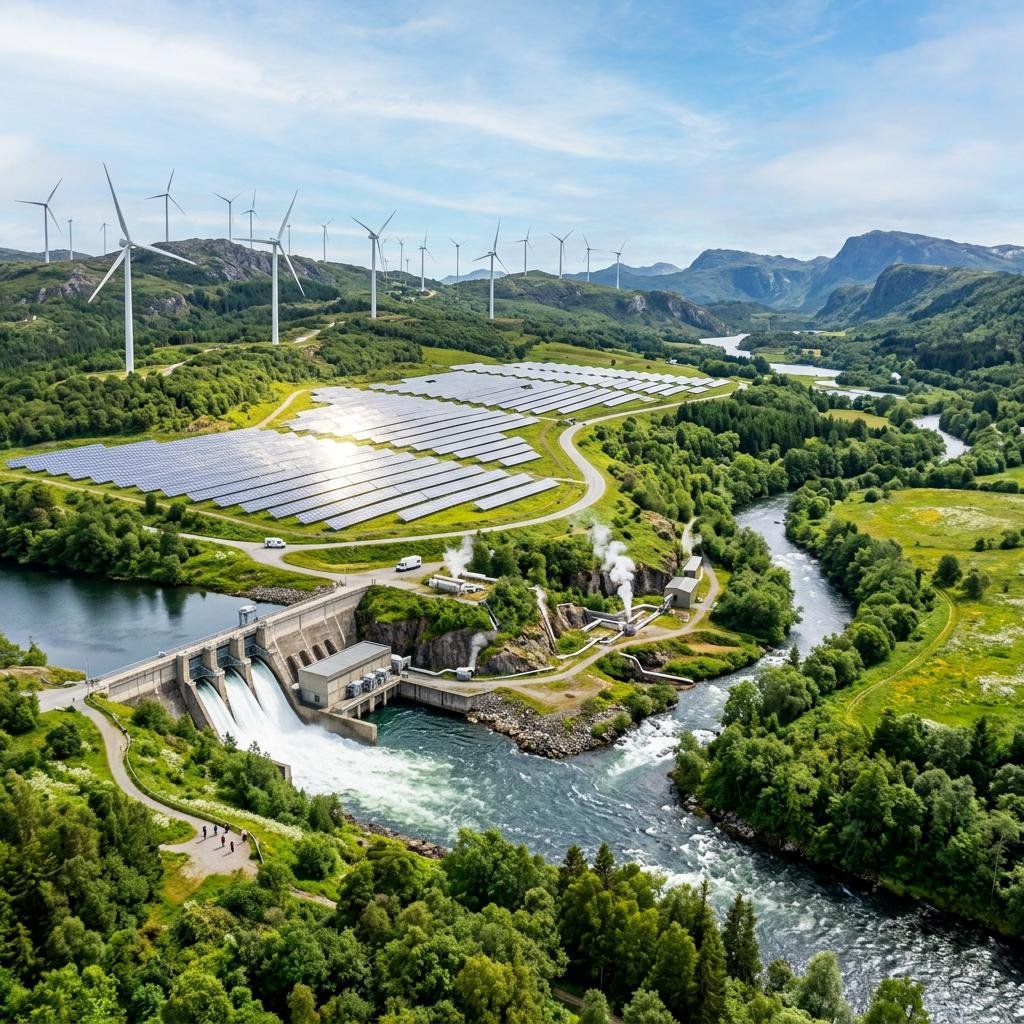
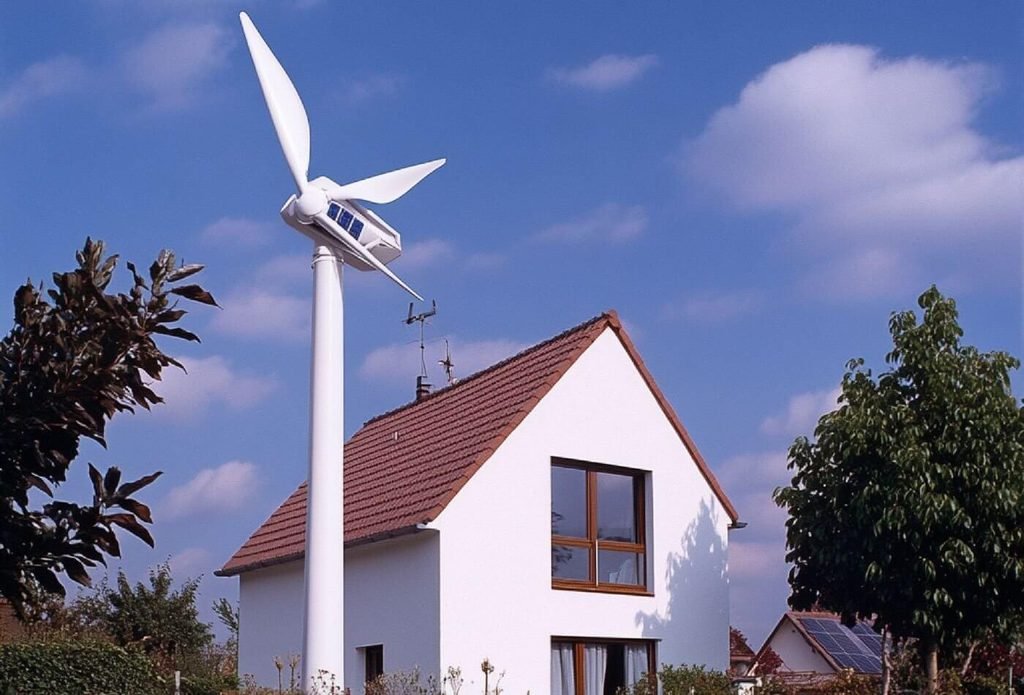
Wind turbines generate electricity by converting the movement of air into electrical energy.
Unlike solar panels, wind turbines don’t depend directly on daylight. If wind conditions are suitable, electricity generation can occur at different times of the day and night.
But there’s an important limitation:
A good wind system needs a good wind resource.
Trees, buildings, terrain, and other structures can affect airflow. A location that feels windy occasionally may not necessarily have enough consistent wind to make a small turbine practical.
Wind turbines can also require more physical space and mechanical components than rooftop solar.
For that reason, wind energy may be more relevant to properties with open land and suitable wind conditions than to densely built urban homes.
Wind could be interesting if:
- You have adequate land.
- Your property has consistent wind.
- There are relatively few obstacles around the turbine.
- Local regulations permit installation.
For many homeowners, the first step would be evaluating the actual wind conditions rather than simply assuming that a turbine will produce enough electricity.
🌎 Geothermal Energy: Using the Ground
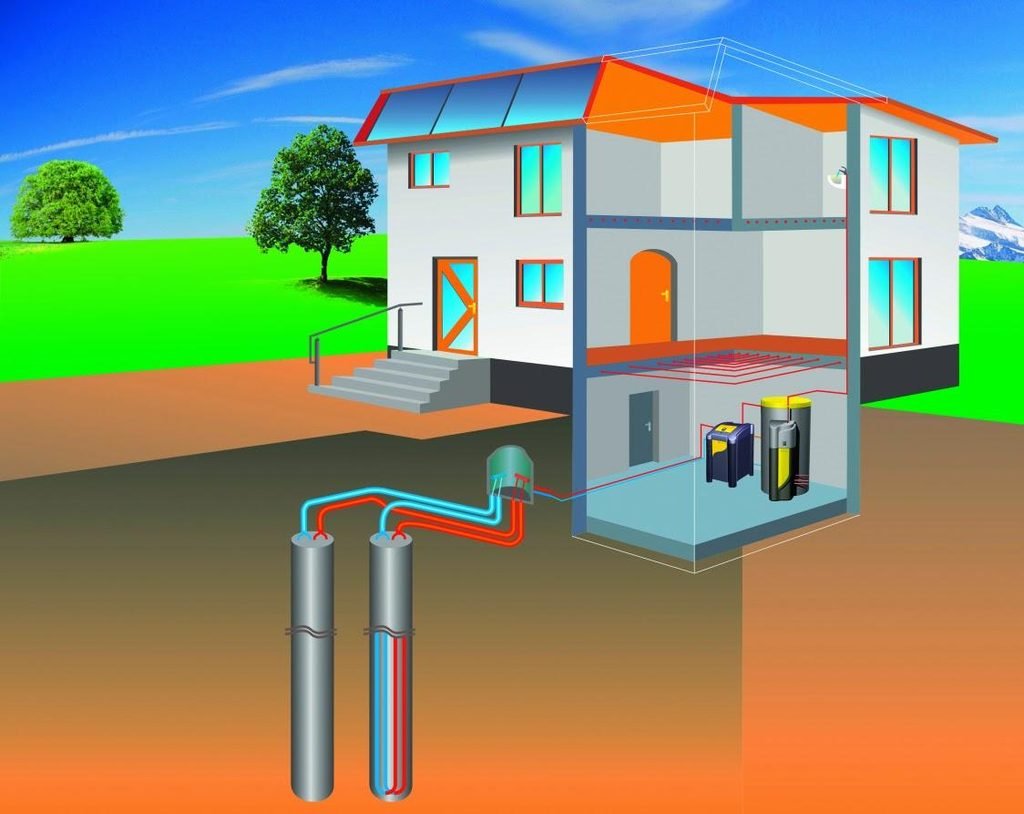
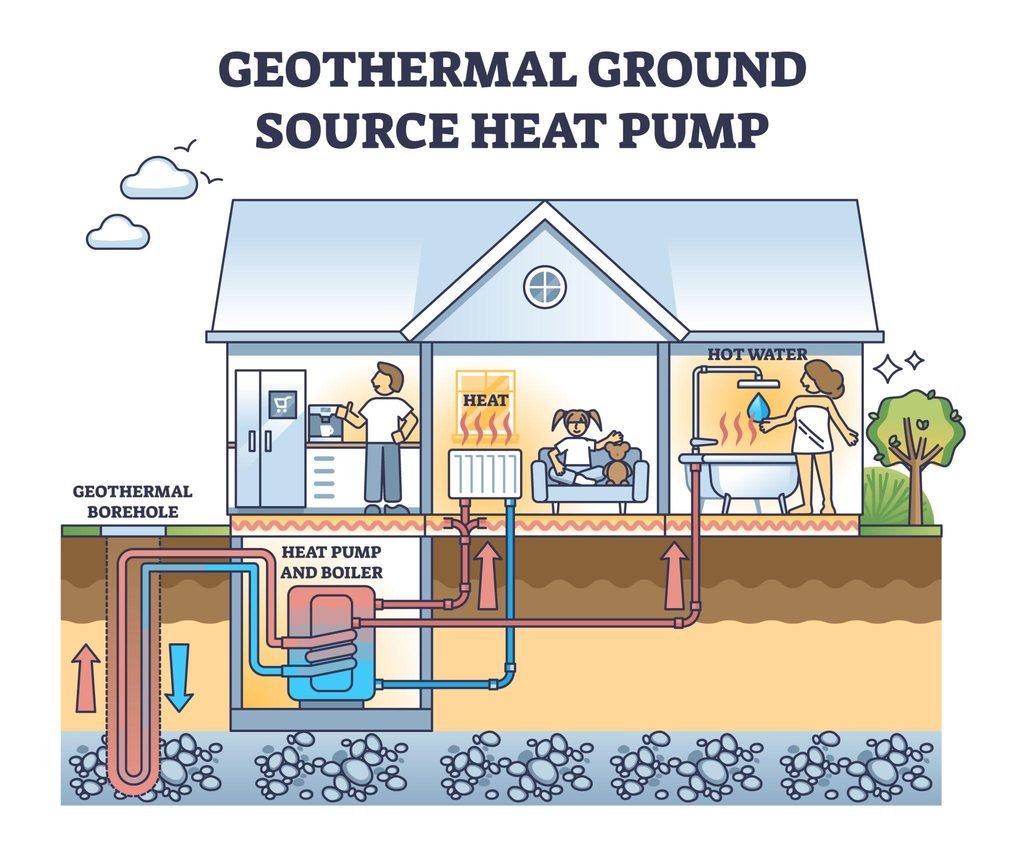
Geothermal energy can refer to several technologies. For homeowners, one of the most relevant applications is the geothermal heat pump.
Instead of generating electricity like a solar panel, a geothermal heat pump uses the relatively stable temperature of the ground to help heat or cool a building.
This makes geothermal fundamentally different from solar and wind.
Its primary purpose in a home is usually heating and cooling, rather than generating electricity.
A geothermal system can also work alongside solar.
For example, solar panels could generate electricity while a geothermal heat pump helps reduce the energy required for heating and cooling.
However, installation requirements can be more complex because the system involves equipment and ground loops installed below or around the property.
Geothermal may be worth investigating when:
- Heating and cooling represent a significant part of energy use.
- The property has suitable installation conditions.
- Ground-source equipment is practical for the site.
- Long-term energy efficiency is an important goal.
💧 Hydropower: An Option for the Right Property
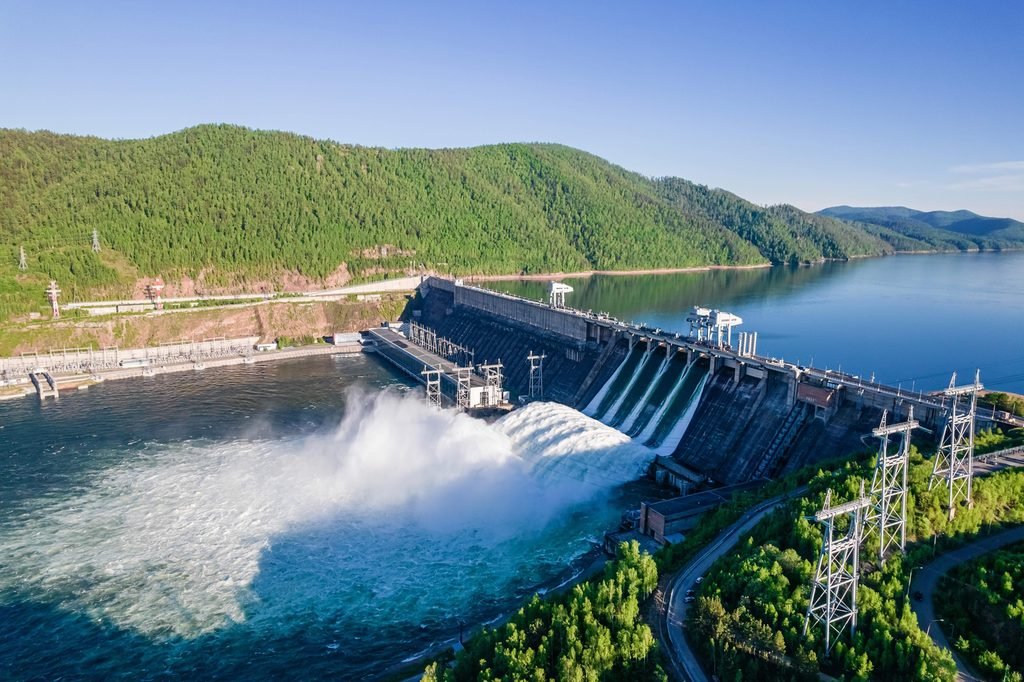
Hydropower generates electricity using moving water.
Large hydroelectric dams are the best-known examples, but small-scale or micro-hydropower systems can also be used in certain locations.
The major limitation for homeowners is straightforward:
You need an appropriate water resource.
A property located beside a suitable flowing stream is very different from a typical suburban house.
A small hydropower system may potentially provide electricity consistently where the water flow and elevation difference are appropriate. But site conditions, environmental considerations, permissions, and engineering requirements all need to be evaluated.
For most ordinary homes, hydropower won’t be practical.
For the right property, however, it can be an interesting renewable-energy option.
🔋 Battery Storage: The Missing Piece?
There’s another technology worth discussing: battery storage.
A battery doesn’t generate electricity. Instead, it stores electricity so that it can potentially be used later.
This can become particularly useful with solar energy.
Imagine a home producing plenty of solar electricity during the afternoon while the occupants are away. Later in the evening, household electricity demand may increase even though solar production has fallen.
A battery can help bridge that timing difference.
Of course, batteries add additional equipment and cost, and their usefulness depends on electricity consumption patterns, system design, tariffs, backup requirements, and other factors.
That’s why battery storage should be considered as part of the overall energy system rather than as a standalone energy source.
⚡ Solar vs Other Energy Approaches
Here’s a simple way to compare the major approaches:
| Energy approach | Main resource | Typical residential role | Important consideration |
|---|---|---|---|
| ☀️ Solar PV | Sunlight | Electricity generation | Sunlight and available space |
| 🌬️ Wind | Moving air | Electricity generation | Consistent wind and suitable land |
| 🌎 Geothermal | Ground temperature | Heating & cooling | Installation conditions |
| 💧 Hydropower | Moving water | Electricity generation | Suitable water resource |
| 🔋 Battery | Stored electricity | Energy storage | Energy needs and system economics |
There isn’t a single technology that automatically fits every property.
Your location and energy requirements matter.
🧠 Don’t Start With Technology — Start With Your Energy Use
One of the easiest mistakes to make is immediately asking:
“Which renewable energy system should I install?”
A better question is:
“How does my home actually use energy?”
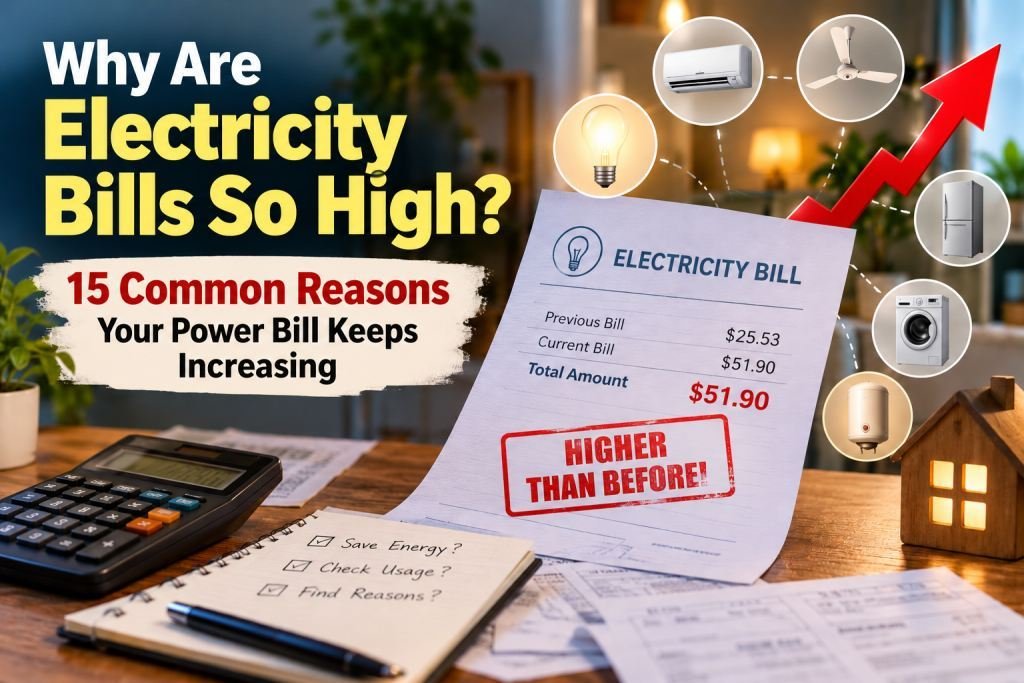
Start with your electricity bills.
Look at your monthly consumption and identify when you use the most electricity.
Are air conditioners responsible for a large portion of your consumption?
Do you use electric water heating?
Are large appliances running primarily during the day or evening?
Understanding these patterns can help you determine what kind of energy solution might actually be useful.
And there’s another important step:
Reduce Energy Waste First
Before producing more electricity, look for opportunities to use less.
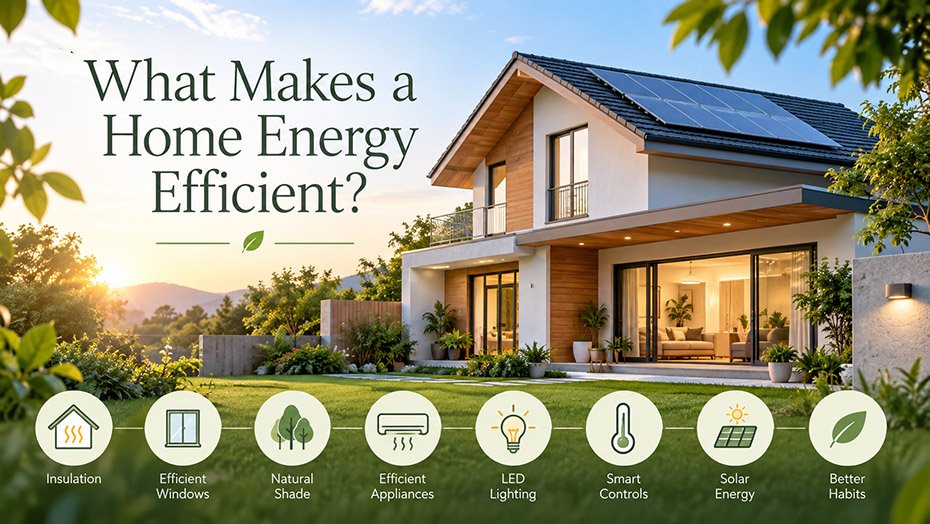
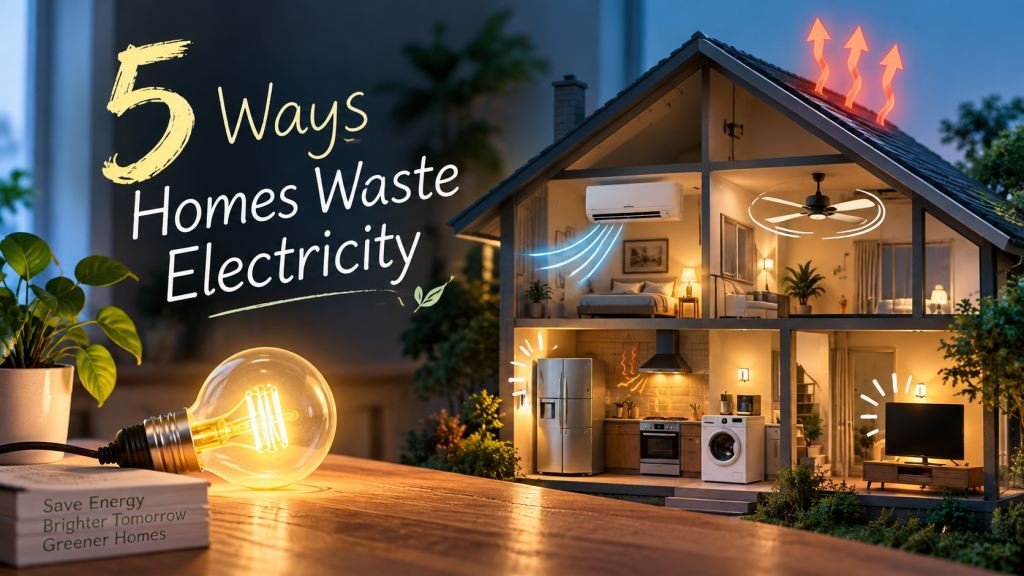
Efficient lighting, better insulation, efficient appliances, smart controls, and reducing unnecessary electricity use can all help reduce overall demand.
Think of it this way:
Energy efficiency reduces the size of the problem. Renewable energy helps address the remaining demand.
🏠 Could a Hybrid Energy System Make More Sense?
It doesn’t always have to be solar vs everything else.
Different technologies can potentially work together.
☀️ Solar + Battery
Solar generates electricity while the battery stores some of the energy for later use.
☀️ Solar + Energy Efficiency
Reducing household energy consumption can complement electricity generation from solar.
☀️ Solar + Geothermal
Solar can provide electricity while a geothermal heat pump helps manage heating and cooling.
☀️ Solar + Wind
In locations with suitable sunlight and wind conditions, different renewable sources could potentially complement each other.
The right combination depends on the property and the goals of the homeowner.
🔍 Your 60-Second Home Energy Check
Before researching equipment or contacting installers, answer these five questions.
1. How much electricity do I use?
Look at your recent electricity bills and identify your typical monthly consumption.
2. When do I use the most electricity?
Morning, afternoon, evening, or throughout the day?
3. What space do I have?
Consider your roof, yard, available land, and surrounding buildings or trees.
4. What natural resources are available?
Think about sunlight, wind, water, and local climate conditions.
5. What am I trying to achieve?
Are you primarily interested in:
☐ Reducing electricity consumption
☐ Generating some of your own electricity
☐ Having backup power
☐ Improving energy efficiency
☐ Reducing dependence on grid electricity
☐ Exploring renewable energy options
Your answers can help narrow down which technologies deserve further investigation.
💡 A Different Way to Think About Home Energy
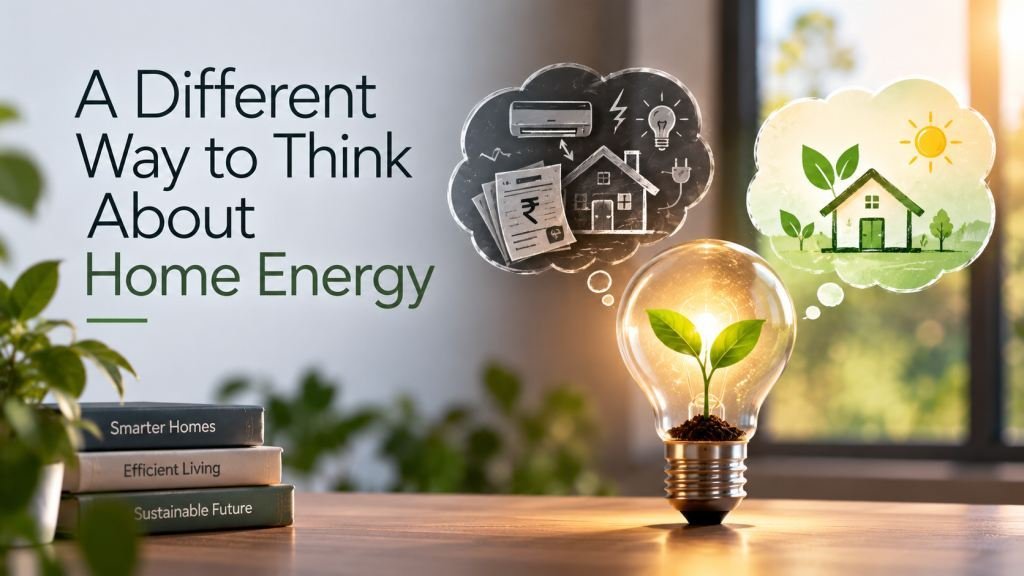
Instead of thinking about renewable energy as a competition between technologies, think of your home as an energy system.
Your home has:
Energy inputs → Energy storage → Energy consumption → Energy waste
Solar, wind, and hydropower can provide energy inputs.
Batteries can provide storage.
Efficient appliances and heating/cooling systems can reduce consumption.
Insulation, smart controls, and better habits can reduce waste.
When these pieces are considered together, the conversation becomes much more useful than simply asking whether solar is better than wind or geothermal.
💬 Which Energy Approach Would You Explore?
If you could improve your home’s energy system, which option would interest you most?
☀️ Solar panels
🌬️ Small wind turbine
🌎 Geothermal heating/cooling
🔋 Battery storage
🏠 Energy-efficiency improvements
Tell us your choice in the comments — and more importantly, tell us why.
Your property might have completely different energy opportunities from someone else’s.
❓ Frequently Asked Questions
Is solar the only renewable energy option for homes?
No. Depending on the location and property, homeowners may be able to consider solar, small wind, geothermal heat pumps, or small hydropower.
Does solar work at night?
Solar panels require available sunlight to generate electricity, so they don’t produce electricity at night. Battery storage or grid electricity can provide power when solar production isn’t available.
Can solar and wind be used together?
Potentially. A hybrid renewable-energy system can combine different generation technologies where the site conditions make that practical.
Is geothermal the same as solar?
No. Solar PV generates electricity from sunlight. Geothermal heat pumps use the relatively stable temperature of the ground primarily to help with heating and cooling.
Should I improve energy efficiency before installing renewable energy?
Energy efficiency is often a useful starting point because reducing unnecessary energy consumption can reduce the amount of energy a renewable system needs to provide.
Which renewable energy source is right for every home?
There isn’t one solution that fits every property. Available space, local resources, electricity consumption, installation requirements, regulations, and project economics can all affect the options available.
🌱 Final Thoughts
Solar may be the most familiar residential renewable-energy technology, but it is only one piece of a much larger energy picture.
Wind can be useful where suitable wind resources exist. Geothermal systems can help with heating and cooling. Hydropower can work in locations with appropriate flowing water. Batteries can complement renewable generation by storing electricity for later.
But you don’t necessarily need to choose just one.
The smarter starting point is to understand how your home uses energy.
Look at your electricity consumption. Identify where energy is being wasted. Consider what resources your property has available. Then explore which combination of efficiency improvements, renewable generation, and storage could potentially fit your situation.
The future of home energy may not be about finding one perfect technology.
It may be about using the right combination of technologies for the right home.
📌 What Do You Think?
If you had to choose one energy upgrade for your home today, what would it be?
Solar ☀️ | Wind 🌬️ | Geothermal 🌎 | Battery 🔋 | Energy Efficiency 🏠
Share your choice in the comments below.